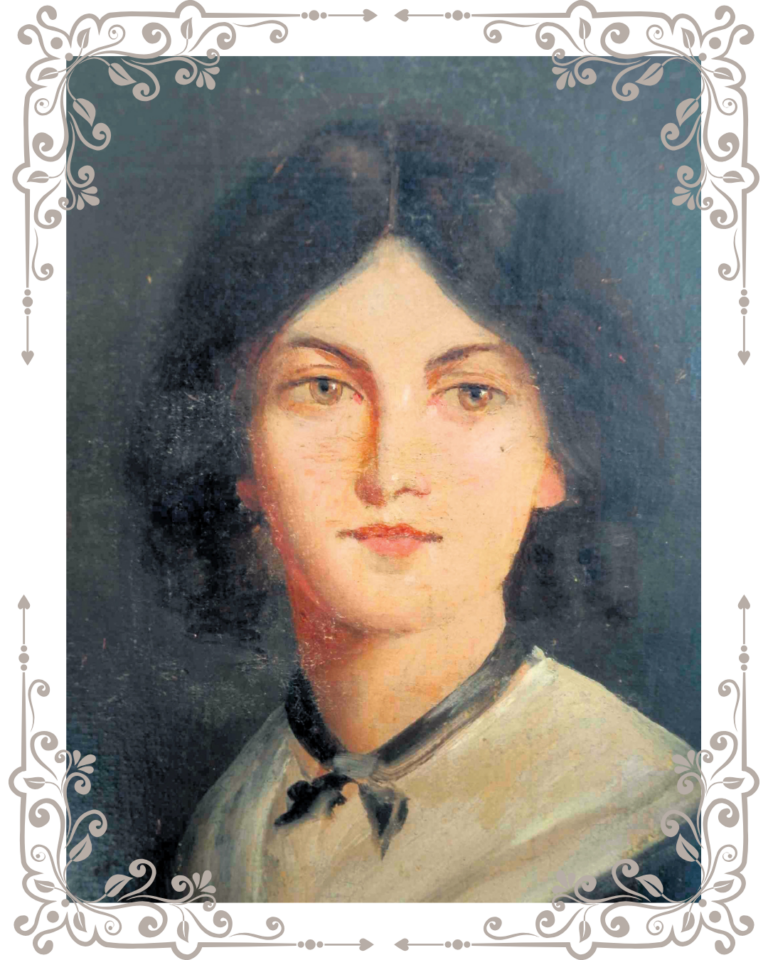
Emily Brontë
Novelist & Poet
1818-1848
Emily Brontë (1818–1848) was an English novelist and poet, best known for her only novel, Wuthering Heights (1847). A highly private and unconventional figure, she is considered one of the most important literary voices of the 19th century. Her work explores intense emotion, nature, love, and the darker sides of the human soul.

“He's more myself
than I am.
Whatever our souls
are made of,
his and mine
are the same.”

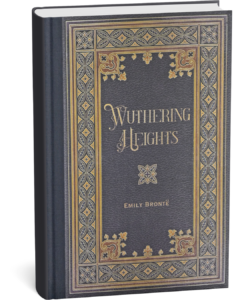
Wuthering Heights
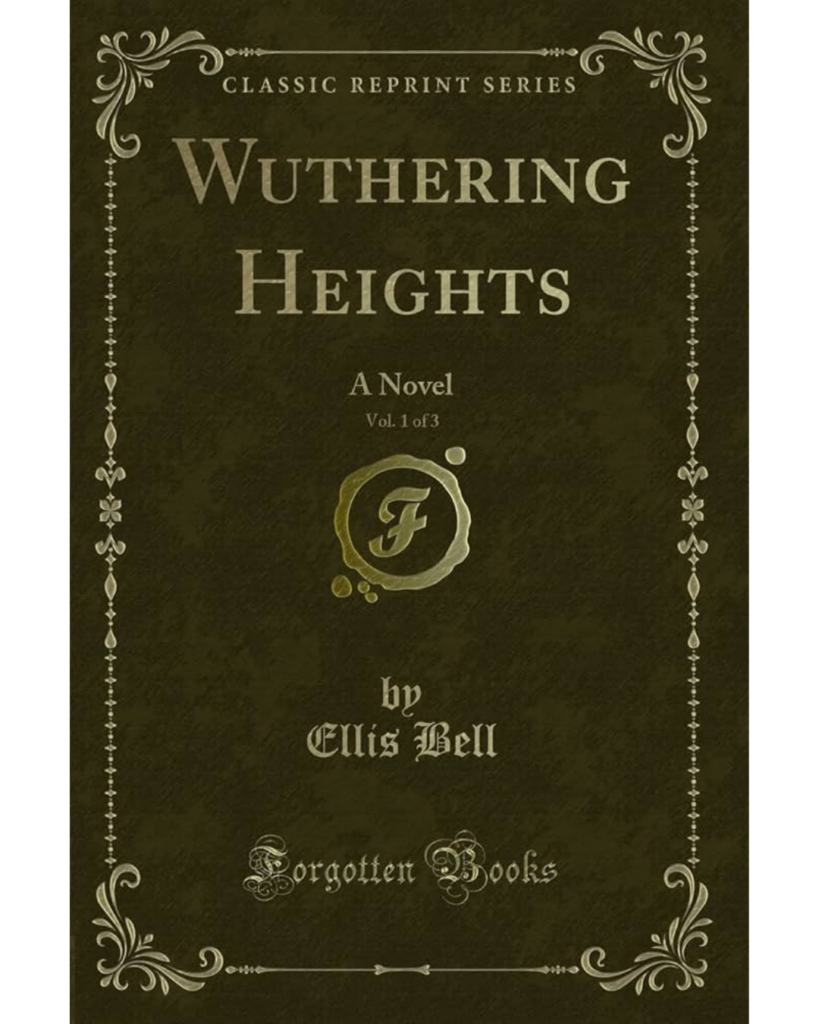
Wuthering Heights was published in 1847 under the name Ellis Bell and remains Emily Brontë’s only novel. Although it initially received mixed and often negative reviews, the work is now celebrated for its radical intensity and depth. The novel explores themes of obsessive and destructive love, nature versus civilization, social class and isolation, as well as violence, death, and transcendence. Its distinctive narrative style is built around a framed structure with multiple narrators, creating a complex, non-linear storytelling approach that challenges readers’ perceptions and expectations.
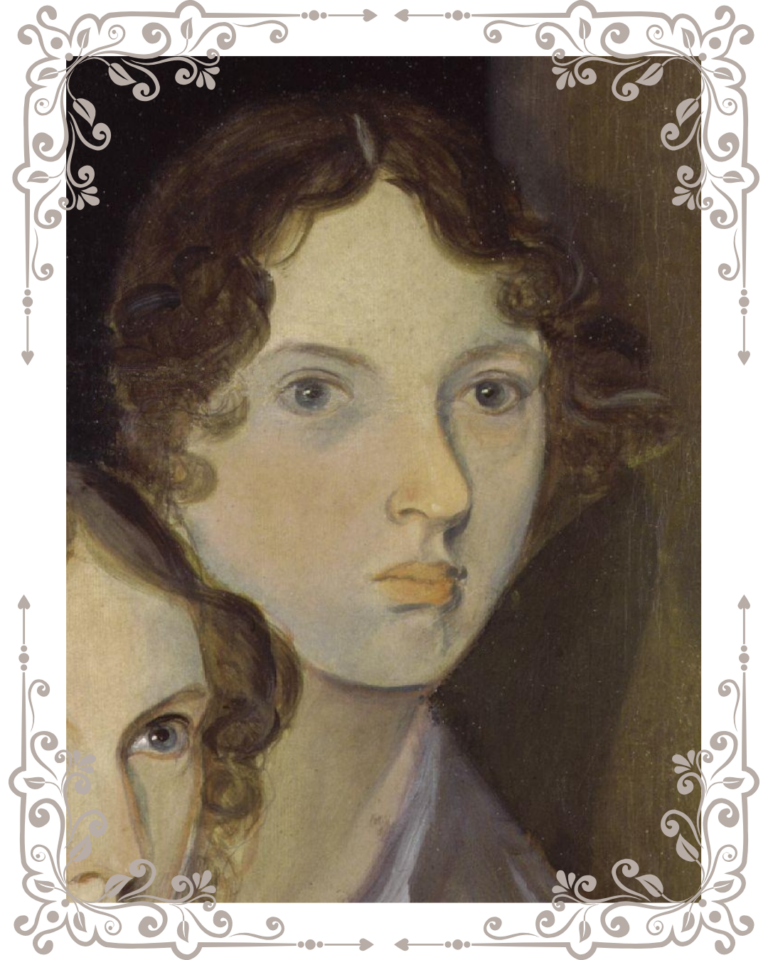
Emily Jane Brontë
30 July 1818, Yorkshire
19 December 1848, Yorkshire (30 years old, Tuberculosis)
Emily Brontë grew up in Haworth as part of the literary Brontë family. Her father, Patrick Brontë, was an Anglican clergyman. Her sisters Charlotte and Anne were also writers. Emily lived a largely secluded life, deeply connected to the Yorkshire moors, which strongly influenced her writing.
She briefly worked as a teacher and governess but disliked public life and preferred the solitude of home. Emily published her work under the male pseudonym Ellis Bell, a common practice for women writers of the time.
Poetry
Emily Brontë’s poetry reveals the same emotional intensity and inward focus that define her prose, yet in a more intimate and meditative form. Much of her poetry was published posthumously and centers on themes of nature, solitude, death, spiritual freedom, and the inner life of the self. Deeply influenced by the Yorkshire moors, her poems often blur the boundary between the natural and the metaphysical, expressing a longing for transcendence and autonomy beyond social constraints. Though less widely known than Wuthering Heights, her poetry is now recognized as a powerful and original contribution to English Romantic and Victorian literature.
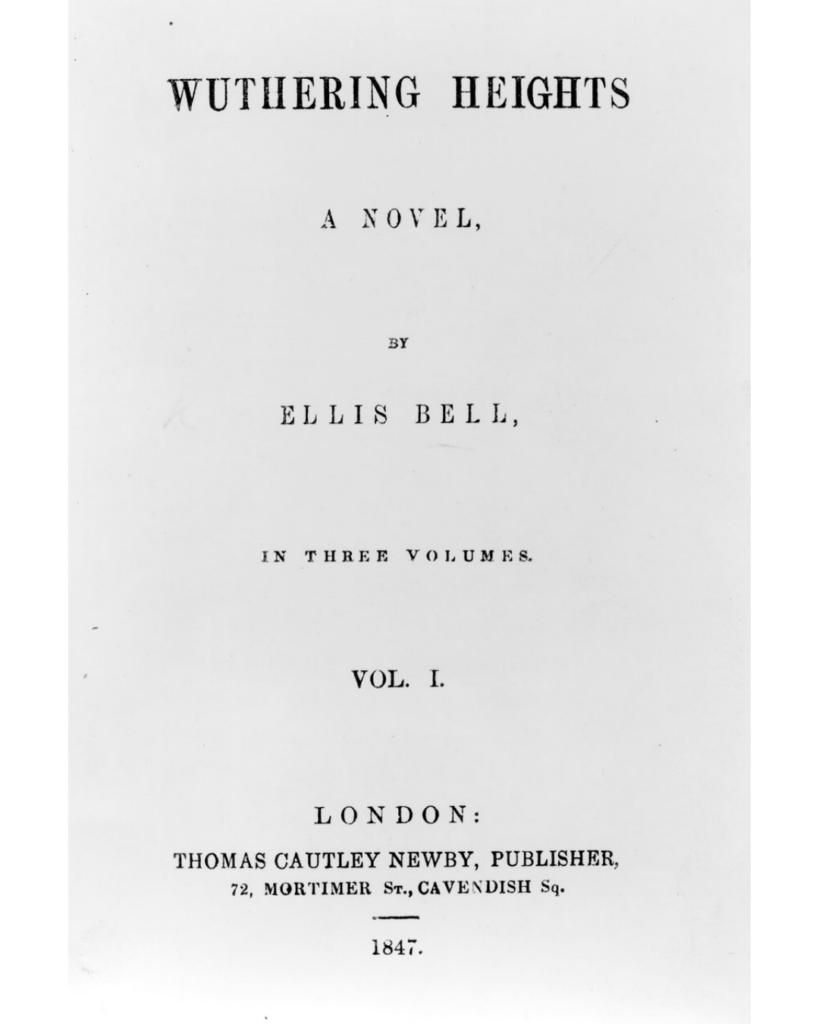
Ellis Bell
Male pen name of Emily Brontë
Ellis Bell was the male pseudonym used by Emily Brontë when she published Wuthering Heights in 1847. Like her sisters Charlotte (Currer Bell) and Anne (Acton Bell), Emily adopted a male name to avoid the prejudice faced by women writers in Victorian England. Under the name Ellis Bell, she was initially perceived as a bold and unconventional male author, and the novel’s intensity and moral ambiguity shocked contemporary readers. The identity of Ellis Bell was revealed only after Emily Brontë’s death, reshaping the novel’s reception and securing her place in literary history.